
Reflections on Uganda’s Dance Industry: Between Promise and Stagnancy
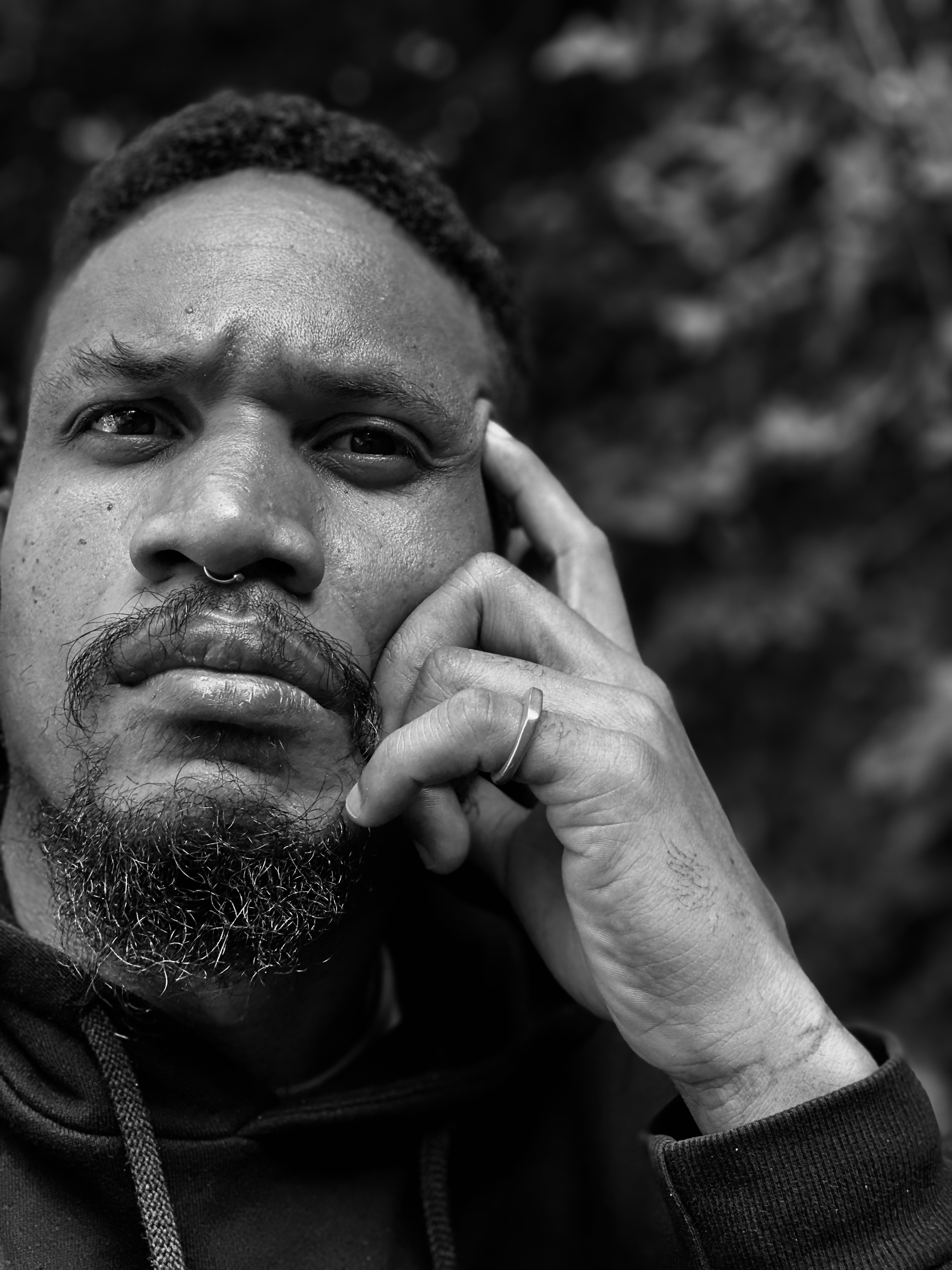

The story of dance in Uganda is one of rhythm and resilience, of highs and lows, of promise and frustration. Having been part of this journey for more than 15 years — first as a fan, then a practitioner, later an events organizer, and now a cultural strategist — I have witnessed the peaks of the early 2000s, the momentum of the 2010s, and the current struggle for sustainability. What is clear to me is that dance in Uganda is not just an art form. It is an economy, a culture, and a mirror of who we are as a people. Yet, for all its potential, the industry has often moved in circles, replaying a broken record.
What Is Shaping the Industry Today
Uganda’s dance industry has grown largely from the ground up. Traditional institutions such as the Ndere Cultural Centre continue to safeguard heritage, while urban pioneers like Breakdance Project Uganda (BPU) opened doors for community building, empowerment, and global recognition. The wave of urban crews that emerged between 2008 and 2017 brought visibility, creating what was arguably the “golden era” of street dance culture in Uganda.
More recently, the rise of dance sports and the ongoing review of the national cultural policy suggest that dance could soon find a firmer place within official structures. Regionally, Uganda is no longer isolated; Rwanda’s bold investments in its creative economy, along with international festivals and collaborations, are reshaping the landscape. Ugandan dancers are admired abroad — proof that the talent is undeniable.
What Has Worked
There is much to celebrate. Grassroots initiatives have kept the industry alive, training new generations and sustaining communities even when formal institutions fell short. Household names and cultural hubs have anchored both traditional and urban dance, while international recognition has validated Ugandan talent globally. These achievements form the backbone of the industry’s identity and credibility.
What Hasn’t Worked
But alongside these gains lie deep cracks. The economy of dance remains precarious, dependent on donor grants, “one-off gigs,” and personal sacrifices. Such models are neither sustainable nor scalable. Worse still, the industry lacks professional pathways. Dancers often plateau because there are no structured systems to guide raw talent into full-fledged careers.
Mindset has also been a challenge. As one festival organizer bluntly told me, “dancers now in Uganda feel untouchable, untrainable, and claim to be professional.” While harsh, this reflects a truth: many dancers resist mentorship and growth, even as they demand recognition. This tension — between pride and the need for development — keeps the industry in limbo.
And then there is policy. For years, the absence of clear frameworks has left dance at the margins of Uganda’s cultural and economic agenda. Without proper policy support, the industry cannot anchor itself in national development strategies.
What We Are Learning
From these successes and failures, a few lessons are becoming clear. First, policy matters. The ongoing cultural policy review offers a chance to integrate dance meaningfully into Uganda’s creative economy, but words must be backed with action.
Second, attitude matters. Without humility and continuous learning, dancers cannot meet the demands of a global stage. Third, models exist elsewhere. South Korea turned dance into a high-value industry through discipline and government support; Europe’s companies thrive because of competitive standards; America’s festivals flourish through bold promoters and strong cultural investment. Uganda need not reinvent the wheel — we can learn, adapt, and innovate.
Finally, regional competition is real. Rwanda’s momentum in the creative sector should be a wake-up call for Uganda. If we do not invest strategically, we risk being overshadowed in our own neighborhood.
Where We Must Go
The road ahead is both clear and challenging. We must build a self-sustaining dance economy, one that goes beyond grants and sporadic gigs to create real value chains — from training to productions to exports. We need professional pipelines where dancers can grow from grassroots to companies with global competitiveness. We must embed dance into policy-driven growth, ensuring it has a firm place in Uganda’s cultural and economic strategy.
Most importantly, we must dare to see dance as more than performance. It is a force for education, tourism, diplomacy, and social cohesion. If properly structured, the dance industry can be a true cultural export for Uganda — just as music has been.
Final Reflection
Ugandan dance has lived many lives: as tradition, as urban resistance, as spectacle, and as economy. We have had moments of brilliance and moments of stagnancy. But now we stand at a crossroads. Either we continue replaying the broken record, or we take deliberate steps to compose a new rhythm — one that allows dance to thrive as a professional, cultural, and economic force.
The choice is ours.


Well said!Dance is greatly admired by everyone,yet we cannot transform that admiration into liquid,and suatainable cash.
We need to profesionalise,repackage the art form to a scalable level that can be exported,and sold on the global market.
Forturnately,the talent already is in abundance.We need more dance platforms,events,and companies that have an intergral professional mentorship program,development packages,and creative directions.
About grants,we need to figure out how to raise funding at a community level,open up to people who are non dancers to be at management level,expose the dance artist to enterprenuership so that we understand how valueble our art form is.
The Ogs are doing their part,but its not enough!regardless brick by brick,a change for the better is going to come.
Thank you…