
Dear UG- HipHop: The Table Is Waiting
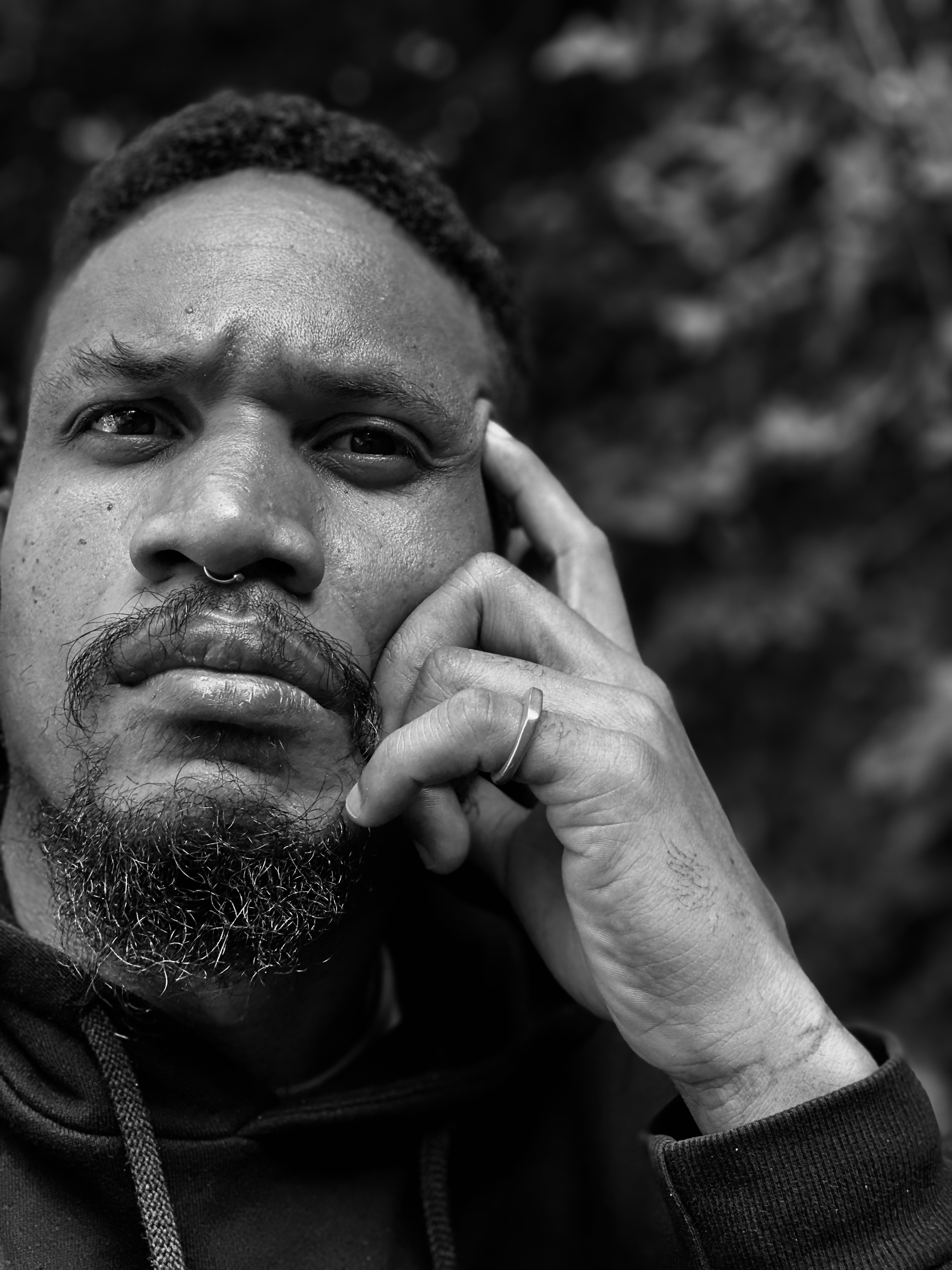
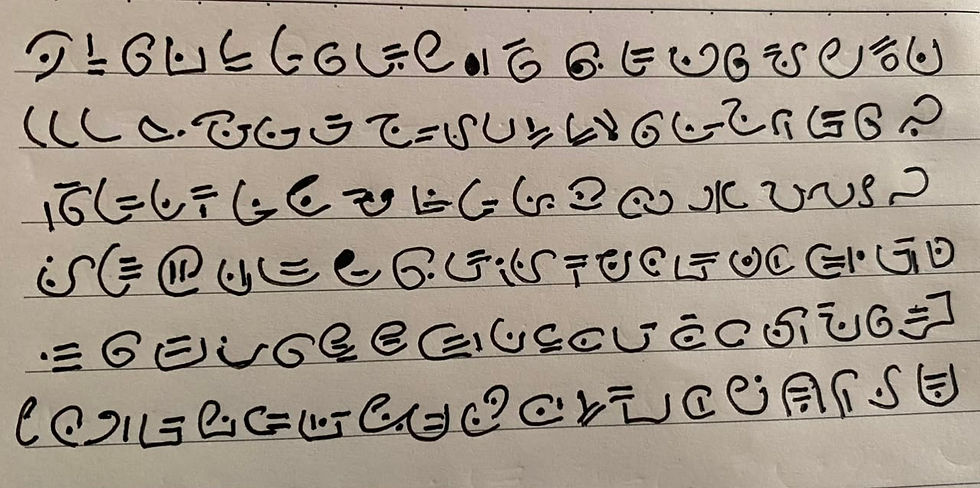
Dear Uganda HipHop, we need to be intentional now, more than ever before. We are living through an incredibly sensitive moment in history, where two major evolutions are happening almost simultaneously: the Internet and Artificial Intelligence. Somewhere between these two revolutions, a new generation is being shaped faster than perhaps any generation before it. One year can now change everything how we learn, how we create, how we communicate, how we archive, how we distribute culture, how we make money, how we build communities, and even how we understand what is real. So I keep asking myself: what does this mean for Ugandan HipHop? What does it mean for Breaking? What does it mean for African HipHop? And perhaps more importantly, what does it mean for the people who have carried this culture this far?
I will speak about the larger landscape another day. For now, I want to speak about something much closer to home, something we have discussed many times, usually behind closed doors, usually between a few people, and often only after something has already gone wrong. The question is simple: Do we know? Do we claim to know? Or do we actually know? Because there is a difference. There is a difference between knowing the moves and understanding the culture. There is a difference between knowing the history and understanding why that history matters. There is a difference between participating in a culture and taking responsibility for what that culture becomes.
HipHop on the African continent cannot only be understood through its creative expressions. Yes, there are the battles, the cyphers, the music, the graffiti, the fashion, the DJs, the MCs, the parties, the street and the social gatherings. These are important. They are the visible architecture of HipHop. But beneath them are philosophies, systems of knowledge, relationships, values, struggles, identities, memories, ways of teaching, ways of organizing, ways of surviving and ways of seeing the world. There is knowledge in the culture, and that knowledge needs to be known. It needs to be documented. It needs to be manifested. It needs to be taught. It needs to be challenged and, yes, it needs to be questioned. Because culture that cannot question itself eventually becomes a museum, and HipHop was never created to be a museum.
I speak particularly from East Africa, and from Uganda, from the experience of watching a culture grow, fracture, reconnect, evolve and sometimes forget itself. So I speak to the builders, the shapers, the teachers, the mentors, the artists, the dancers, the DJs, the MCs, the writers, the producers, the photographers, the organizers, the promoters, the researchers, the cultural workers, the elders and the young people. Name your lane. You are part of this, and we need you. But we cannot continue gathering only when there is an event. We cannot continue talking only when there is a problem. We cannot continue sharing knowledge only with the people already inside the room. We cannot continue keeping important conversations behind closed doors, and we cannot continue waiting for someone else to call the meeting. We have to call the meeting ourselves. We have to get on the frontline. We have to enter the battlefield. We have to rock it. Because we may have spent years preparing ourselves for the rain while a tsunami is already approaching.
So let us get around the table. Let us break bread. Let us disagree. Let us listen. Let us challenge each other. Let us bring the elders, the young ones, the people who were there, the people who are here and the people who are coming. Let us bring the academics and the street. Let us bring the artists, the organizers, the uncomfortable questions and the people whose experiences do not always fit neatly into our existing narratives. Let us speak with the enlightened spirits among us, not because they have all the answers, but because perhaps they know how to ask questions we have forgotten to ask. This cannot simply be another meeting about another event. It has to be a conversation about what we are building and what we are responsible for leaving behind.
We often hear the phrase, “Back in our day.” Perhaps there is value in that sentence because the history has been built. The foundational pillars exist. People fought for spaces. People created movements when there was almost nothing. People danced when nobody was watching. People organized without funding. People taught without curriculum. People travelled without guarantees. People built communities without institutional recognition. That history matters. But history alone cannot carry the future. The pillars need strengthening, reinforcement, documentation and examination. Perhaps they even need to be reinterpreted through principles that speak to the realities of today. Not because the past was wrong, but because the future is different.
Someone will ask: who needs to do this? Why now? Who has the authority? Who should be in the room? Who should lead? Who should speak? I understand these questions, but eventually we have to ask ourselves another one: Who is going to call for the gathering if not now? And who is going to call for it if not us? We cannot spend another generation frustrated by internal misalignment while external agendas continue shaping the narrative around us. We cannot continue saying, “This is your time, so do as you please,” because culture does not work like that. Every generation inherits something. Every generation changes something. Every generation leaves something behind. The question is: what are we leaving behind?
There are stories that have not been told. There are histories that have not been documented. There are people who have never been acknowledged. There are contributions that disappeared because nobody wrote them down. There are disagreements that were never resolved, lessons that were never transferred and young people trying to rebuild something that already exists because they cannot see it—we never properly documented it. So yes, every contributor needs the microphone. Not because everybody needs to speak at the same volume, but because everybody deserves a place in the collective record. We need to know who opened the doors, who kept them open, who closed them, who was locked out, who held the keys, who decided when the keys changed hands and why. Because these seemingly small misunderstandings can become something much bigger.
Who holds the key? Who knows when the door opens? Who decides when it closes? Who gets invited inside? Who remains outside? These questions may appear small, but they can slowly create something much more dangerous—a kind of generational plasmodium, something that quietly moves through the body of the culture and weakens it from within. Not necessarily because people intend to destroy anything. Sometimes it happens through ego. Sometimes through silence. Sometimes through misunderstanding. Sometimes through territorialism. Sometimes through fear of losing relevance. Sometimes simply because nobody stopped to ask: What are we actually building?
This is why we need to become intentional. Not defensive. Not territorial. Not nostalgic for nostalgia's sake. Not trapped in “Back in our day.” Intentional. We need to understand what we inherited, what we built, what we protected, what we distorted, what we forgot, what we failed to document, what we failed to teach and what we are now responsible for passing forward. Because the next generation is not waiting for us to finish arguing about the past. They are already here. They are watching. They are creating. They are remixing. They are questioning. They are building their own language. And now, with AI and the Internet accelerating everything, the distance between one generation and the next is becoming smaller and simultaneously more complicated.
If we do not tell our stories, someone else will. If we do not document our knowledge, someone else will interpret it for us. If we do not define our values, someone else will define them for us. If we do not build the institutions, someone else will build them around us. And if we do not teach the next generation what this culture means, they may inherit the aesthetics without inheriting the knowledge. This is perhaps one of the most important conversations we need to have now—not about protecting HipHop from change, but about ensuring that change does not erase the knowledge that made HipHop meaningful in the first place.
HipHop has always been more than an event. Breaking has always been more than a battle. A cypher has always been more than people standing in a circle. A gathering has always been more than a gathering. There is knowledge in the movement. There are philosophies in the music. There are histories in the bodies of the dancers. There are social systems in the way communities gather. There are indigenous echoes in the way African HipHop has adapted, transformed and made the culture its own. There is something deeply African about taking what arrives from somewhere else and asking, How does this become ours? That conversation has barely begun.
So, dear HipHop, what are we going to do? Are we going to keep talking behind closed doors? Are we going to keep waiting for another event? Are we going to keep fighting over the keys? Are we going to allow external agendas to define our internal culture? Or are we finally going to sit at the same table? Maybe the answer does not begin with another festival. Maybe it begins with a conversation. Maybe it begins with documentation. Maybe it begins with the elders. Maybe it begins with the young people. Maybe it begins with one uncomfortable question. Maybe it begins with us admitting that we do not know everything.
And perhaps that is the most powerful place to begin. Because HipHop was never about knowing everything. It was about expression, exchange, challenge, discovery and movement. So let us move. Let us gather. Let us listen. Let us disagree. Let us learn. Let us document. Let us teach. Let us build. Let us question. Let us break bread. Let us strengthen the pillars before the next generation arrives asking why they are already cracking.
Because the next chapter is not waiting for permission. The table is waiting. The microphone is waiting. The next generation is watching. And the time is now.


Comments