
The Everything Disease: Why Uganda's Creative Sector Needs to Learn How to Specialize
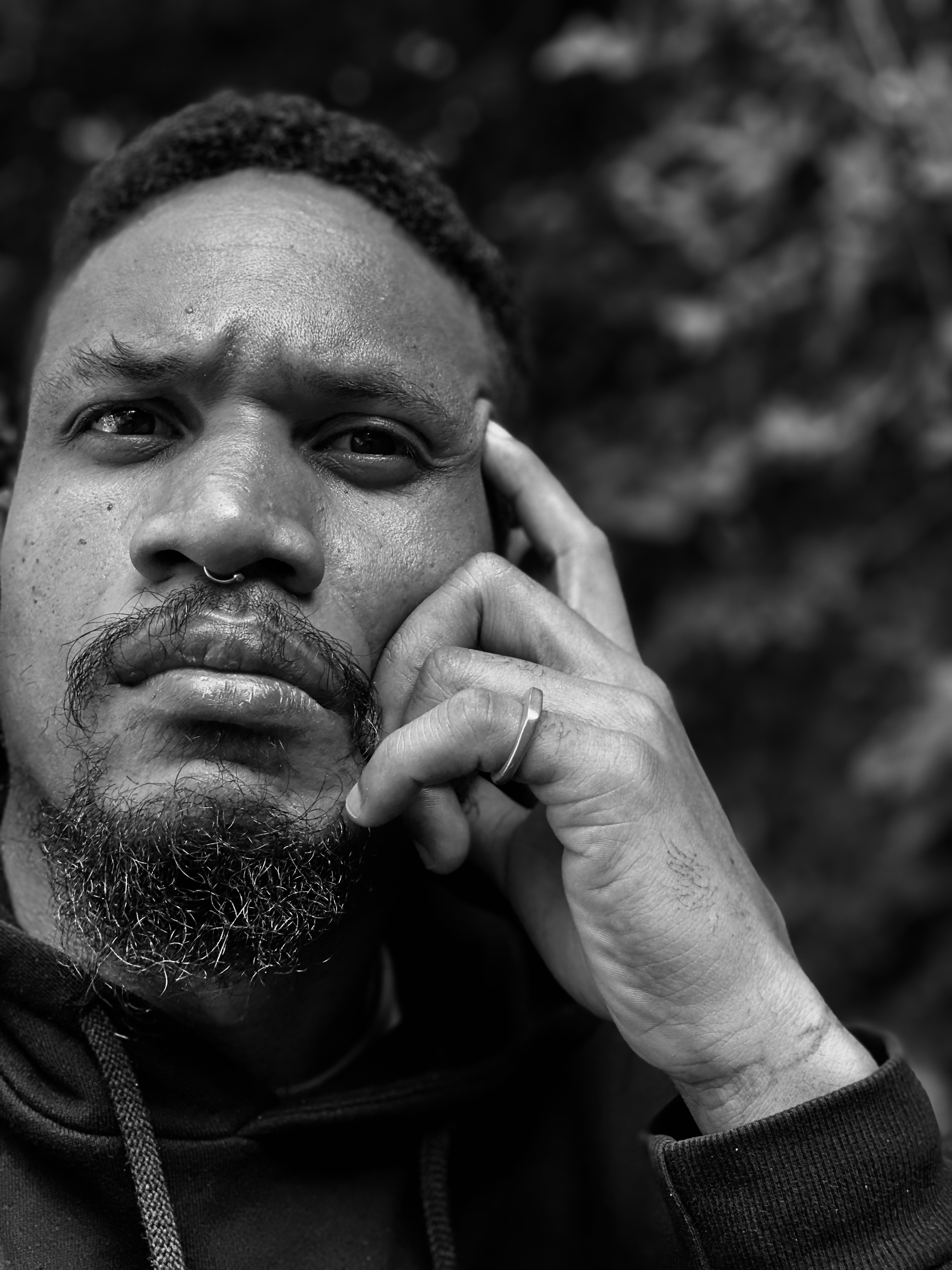

Eleven years ago, I started organizing events. Since then I have touched nearly every part of the pipeline ideation, creation, design, production, post-production. I have been the volunteer nobody remembers and the lead event production manager everybody calls first. I have run small jams in half-empty rooms and bigger productions with real stakes attached. And if there is one thing that decade-plus has taught me, it is this: it is okay to step back. It is okay to let someone else lead. It is okay to just be support.
That sentence should not need saying. In our creative community, it does.
The Disease
There is a pattern I have watched repeat itself for years in Uganda's dance and contemporary creative sector, and I have come to think of it as a kind of disease: everyone wants to be everything. The choreographer also wants to do the sound. The dancer also wants to produce. The producer also wants to design the lighting, write the grant, manage the socials, and have the final word on the door money. Nobody wants to be only excellent at one thing. Everyone wants to be present in every room where a decision gets made.
I understand where it comes from. I have felt the pull myself. But I have also seen what it costs us in delivery, in quality, in the basic efficiency of getting a show up on time and done well.
"Let's Wait for So-and-So"
If you have worked in this space for any length of time, you know the sentence. Let's wait for so-and-so to give us the green light. It comes up in production meetings, in rehearsal rooms, backstage an hour before doors open. One person, holding every decision hostage not because they are a tyrant, but because the structure around them was never built to let anyone else decide anything.
This is not really about that person. It is about the absence of a system. When there is no clear delegation, no defined lane, no agreed criteria for who gets to say yes or no on what everything funnels upward to whoever happens to be holding the most context, or the most perceived authority, in that moment. That is not leadership. That is a bottleneck wearing leadership's clothes.
Why We Resist Specializing
I think part of it is scarcity. In an ecosystem where paid opportunities are thin and inconsistent, doing everything yourself can feel like the only way to guarantee you stay employed, stay relevant, stay in the room. Specializing means trusting that someone else will show up and deliver their part well and if the sector has not built a track record of that kind of reliability, trusting feels like a gamble nobody wants to take.
Part of it, too, is that we do not always have enough reference points for what excellence in a single role actually looks like. When you have not seen a genuinely exceptional stage manager, or sound designer, or production coordinator operating at their best, it is easy to assume the role does not require much that anyone reasonably competent can slot in and cover it. So we all cover everything, adequately, and nothing gets the depth it deserves.
And I want to be clear about something: this is not about importing a foreign model wholesale and pretending our context is identical to systems built elsewhere. It is not about copying. It is about learning what is useful from how other creative economies structure their labor, and adapting it to fit who we are and what we are building.
What Trust Actually Buys You
Here is what I have learned producing events for eleven years, moving through every role in the pipeline: you can be exceptional at one thing and merely a buffer in the others. That is not a weakness. That is the entire point of a team.
When people trust each other's specific expertise when the sound person is left to make sound decisions, the choreographer is left to make movement decisions, the producer is left to hold the timeline and the budget without someone second-guessing every line something changes. Standard goes up. Delivery gets faster. Quality stops being a fight and starts being a byproduct of people actually doing what they are good at, without twelve other hats pulling their attention sideways.
None of this happens by accident. It requires:
- A common goal everyone is actually rowing toward, not just individually pursuing
- Clear structure who owns what, and who has the authority to decide within their lane without escalating every choice
- A strategy for how the specialized pieces come back together into one coherent thing
- Trust, built over time, through people consistently showing up and delivering in their lane
Where This Leaves Us
I am not writing this from outside the problem. I have been the person doing five jobs on one show because I did not trust anyone else to hold their piece, or because the structure simply was not there to let them. I have also been on the other side handed a lane, trusted to run it, and felt what it does to the work when someone lets you specialize instead of hover.
Eleven years in, my honest belief is this: our sector will not grow past where it currently sits until we treat specialization not as a loss of control, but as the thing that actually lets the work get bigger than any one of us. We do not need to wait for so-and-so. We need so-and-so's job description, a person we trust to do it, and the discipline to let them.
That is the shift. Everything else is detail.


Comments