
Kigali: A Journey of Dance, Growth, and Sacred Return
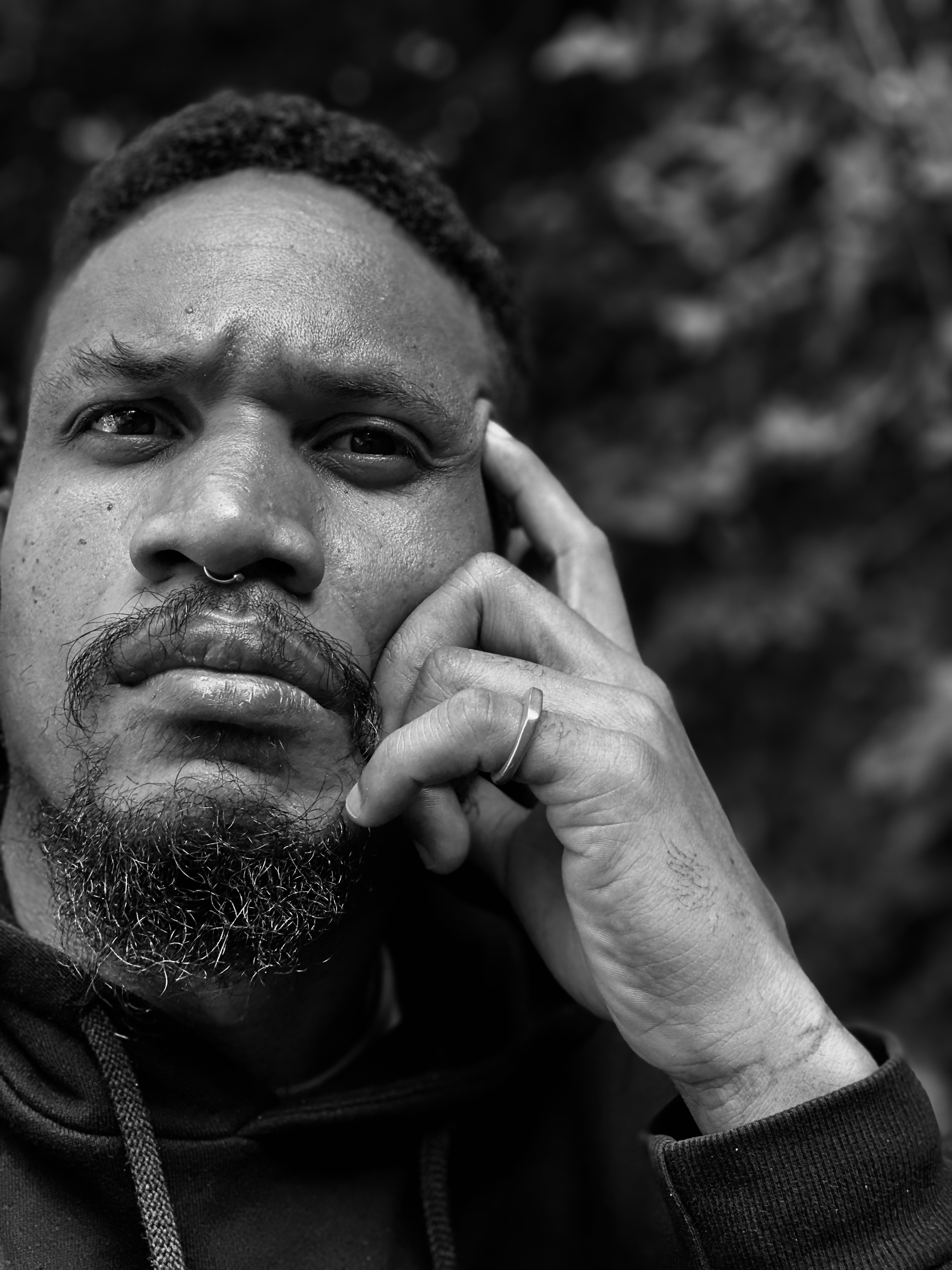

Last weekend, I found myself back in Kigali, Rwanda—a city that has become more than just a destination for me. It is a place that holds a sacred space in my heart. For the past five years, I have committed to making this trip annually, each time choosing the bus ride from Kampala. There’s something about that 9–10-hour journey that blends adrenaline, reflection, and comfort in equal measure.
Traveling with Trinity Buses has made the ride almost effortless—WiFi, leg space, and an experience that makes long-distance travel feel less like a task and more like an adventure. Once you escape the Kampala traffic and hit the highway, the sound of the engine becomes a companion, the fresh air floods in, and with Rwandan folk music playing, the ride transforms into a moving meditation.
At the border, familiar faces greet us. The immigration staff, with their warmth and encouragement—“Please return with glory and make us proud”—always remind me of the friendships and trust built across these annual journeys. From there, the winding roads of the Gatuna–Kigali route never fail to captivate me. Green valleys stretch endlessly, smooth roads twist through hills and corners, and the beauty is simply unforgettable.
By the time we arrive in Nyabugogo bus park in the early morning, it feels like stepping into a different world. Kigali carries a European standard in its orderliness, its calmness, and even in the rush of the boda bodas—organized, safe, and structured in contrast to Kampala’s chaos. My excitement builds as I head to the hotel, always pre-booked, where my dear friends and colleagues at Abataguha Dance Company—Amani and Alex—never hesitate to sacrifice their morning sleep just to welcome me and make sure I’m settled in. That gesture of care is the first sign that I’m exactly where I belong.
Because this is not just a trip—it’s about passion and work colliding. It’s about dance.
Kigali has fast become the home of Africa’s new economic growth, transformation, and potential investment. But for me, it’s also a city where art, culture, and youth empowerment thrive. This year’s Kigali Breaking Festival, which has been instrumental in my own growth as a practitioner and cultural scholar, was no exception. The festival—nurtured through Alex and Amani’s tireless dedication throughout the year—continues to prove that Kigali is a fertile ground for dance and for empowering young people.

This year, I had the honor of being part of the supporting festival team, representing Skillz Dance Fest, and serving as a dance adjudicator for the battle day. The experience was nothing short of electrifying. After the judges’ briefing with an incredible team of dancers, teachers, and educators, we were ready. What followed was more than seven hours of nonstop battles—from Afro-house to Hip Hop to Breaking—spanning kids, adults, and crews. Over 100 dancers signed up, each one eager to represent themselves, their families, and their communities.
The newly opened Zaria Courts provided the perfect stage: a state-of-the-art space designed for sports, now claiming its place as a hub for dance. The energy was unmatched, with some of the best talent from across East Africa uniting under one roof. Hours of battles, sweat, and artistry culminated in crowning the winners of each category—a true celebration of culture, resilience, and the unstoppable rhythm of this generation.
But beyond the battles and performances, there are lessons we must carry forward. Dance festivals like Kigali are not only moments of celebration, but also mirrors showing us what is possible. Collaboration is essential—not just during festivals, but before and beyond them. We cannot wait until the stage is set to call it collaboration. It needs to start now: artists, communities, and organizations working together to tackle key issues such as mobility, employment, and sustainable dance opportunities. If we solve challenges locally, then regionally, then across Africa as a whole, our festivals will have deeper meaning and impact.

Secondly, now is the time to make sense of partnerships and cross-border cultural and tourism trade. As a region, we must be present in the dialogues that are shaping the continent’s creative economy. We cannot shy away from these conversations; instead, we need to showcase, speak, and spotlight the dance sector. Our voices must echo in national, regional, and continental cultural and creative industry frameworks, policies, and strategies.
Equally, our stories matter. They need to be told, archived, and documented. Each festival, each collaboration, each success is part of a larger narrative of transformation and resilience. By channeling our voices and experiences into stories of change, we strengthen the foundation of our industry and inspire the next generation to believe in the power of art.
Every time I leave Kigali, I carry with me not just memories of dance, but lessons in discipline, community, and vision. It is a city that reminds me why I fell in love with travel, with culture, and with the unifying power of dance.

And so, as I look back on yet another unforgettable weekend, I know one thing for certain: Kigali will always call me back, and I will always return—with glory.


Comments