
Beyond the UGX 5 Billion: Building Uganda’s Creative Economy with Cultural Intelligence
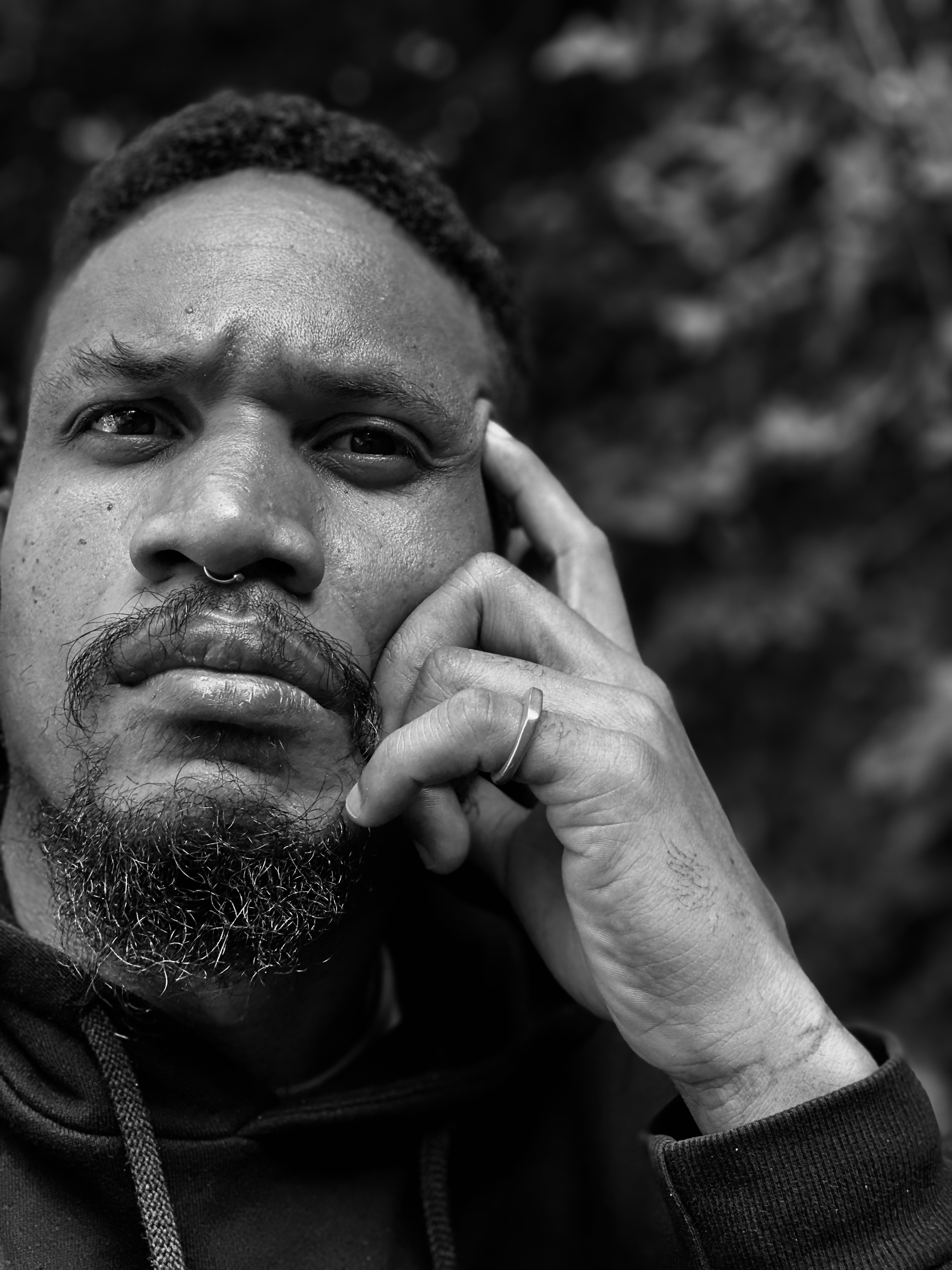
By Ricky Orenia, Cultural Strategist

President Yoweri Kaguta Museveni’s recent commitment of UGX 5 billion to organized creatives marks an important moment in Uganda’s evolving economic narrative. For many within the creative sector, it is validation. For others, it is long overdue recognition. But beyond the applause, beyond the headlines, and beyond the symbolic weight of the announcement lies a more important question: What does this moment require of us as a nation? Recognition is not the same as strategy. Funding is not the same as transformation. And support, without structure, risks becoming temporary relief rather than long-term economic architecture.
Uganda’s creative industry has, for decades, operated largely on resilience. Artists, dancers, filmmakers, designers, digital storytellers, and cultural entrepreneurs have built audiences without structured financing, without institutional backing, and often without policy clarity. What has sustained the sector has been ingenuity and cultural depth. Yet resilience alone cannot build industries. If this UGX 5 billion pledge is to mean something transformative, then it must trigger a national conversation about systems, governance, and long-term economic positioning. This is where cultural intelligence becomes essential.
Cultural intelligence is not simply about understanding culture as identity or heritage. It is about understanding culture as capital. It is about recognizing that the values, expressions, stories, aesthetics, and digital narratives produced by Ugandans are not only artistic outputs but economic assets. Globally, creative industries contribute trillions of dollars and employ millions. They shape global perception, attract tourism, influence trade, and drive innovation. Uganda cannot afford to see its creative sector merely as entertainment. It must be viewed as a workforce for the new economy and a complementary pillar to traditional sectors such as agriculture, manufacturing, and trade.
The President’s emphasis on “organized creatives” is perhaps the most critical signal in this development. Organization is not a bureaucratic technicality; it is economic leverage. Disorganized sectors cannot negotiate policy, cannot attract structured investment, and cannot build sustainable value chains. Individual success stories may inspire, but they do not automatically translate into national growth. A viral musician or a trending influencer represents individual triumph. An organized industry with defined standards, research frameworks, training pipelines, export strategies, and financing systems represents structural advancement. The difference between the two determines whether growth is episodic or exponential.
Uganda must now ask itself whether it wants a creative scene or a creative industry. A scene thrives on personalities, events, and short-term momentum. An industry thrives on systems, regulations, investment mechanisms, and long-term vision. The danger we face is mistaking visibility for infrastructure. Concerts, festivals, and digital virality create public excitement. But excitement is not an economic blueprint. Infrastructure requires policy clarity, standard operating procedures, financing models, research data, skills development pathways, intellectual property enforcement, and institutional continuity beyond political cycles.
The absence of a fully operational and enforceable national creative and cultural policy has long limited the sector’s scalability. While discussions about policy have existed, what is urgently needed now is a framework that defines how the creative economy integrates into Uganda’s broader economic strategy. What are the measurable targets for the sector’s contribution to GDP? How many jobs should it generate within the next decade? What export markets are being targeted? What institutional reforms are necessary to protect intellectual property and ensure creators capture value from their work? How are funds allocated, monitored, and evaluated? Without such questions guiding implementation, financial injections risk dispersing impact rather than consolidating growth.
If we examine how Uganda approaches agriculture, we find structured systems: extension services, research institutes, cooperatives, export boards, quality standards, financing channels, and policy oversight. Manufacturing follows similar logic, with industrial parks, investment incentives, regulatory standards, and trade agreements. Why should the creative economy be treated differently? If coffee can be industrialized, culture can be industrialized. Industrialization does not mean commodifying identity in a way that strips authenticity. It means building structured value chains that allow creators to produce, distribute, monetize, and export their work sustainably.
At present, much of Uganda’s creative economy remains personality-driven. Individual artists negotiate brand deals independently. Event organizers build isolated networks. Digital creators operate as sole entrepreneurs without shared governance systems. These efforts can yield impressive short-term gains. However, when momentum depends solely on individuals, the industry lacks institutional memory. When leaders move on or trends shift, structures collapse. National growth requires institutions that outlive personalities.
Another important lesson from this moment is the need to redefine how creatives see themselves. Too often, creatives internalize the narrative that they are entertainers first and economic actors second. This mindset limits negotiation power. If the creative sector sees itself as merely providing leisure, policymakers will treat it accordingly. But if creatives position themselves as contributors to national productivity, digital innovation, youth employment, and export earnings, then policy conversations shift. Language shapes perception, and perception shapes investment.
The digital transformation of Uganda has already laid groundwork for this shift. Content creators today operate at the intersection of media, marketing, commerce, and technology. A single digital storyteller can influence consumer behavior, drive sales, promote tourism destinations, and amplify local brands. This is not entertainment alone. It is economic participation. However, to scale this participation, creators require structured training in digital strategy, intellectual property management, financial literacy, and global market positioning. Capacity building must accompany capital.
One of the most urgent structural gaps is intellectual property enforcement. Without robust copyright systems and effective enforcement mechanisms, creators lose value to piracy and unauthorized distribution. This weakens investor confidence and discourages long-term production planning. A strong creative economy depends on legal clarity. Investors do not fund uncertainty. International partnerships do not flourish where rights are unclear. Building trust in Uganda’s creative sector requires strengthening legal infrastructure.
Equally important is data. Uganda lacks comprehensive and reliable data on the economic contribution of its creative industries. Without data, advocacy becomes emotional rather than evidence-based. Policymakers require measurable statistics to justify budget allocations. Investors require projections to assess risk. International partners require metrics to identify collaboration opportunities. Research institutions, think tanks, and cultural observatories must become part of the ecosystem.
Education reform is another pillar. If the creative economy is to function as a workforce for the new economy, then training institutions must align with industry needs. Dance academies, film schools, digital media programs, fashion institutes, and creative entrepreneurship courses should not operate in isolation. They must integrate with market demand, export potential, and technological advancement. A competency-based approach that values creativity alongside technical proficiency will ensure sustainability.
The analogy that best captures this transition is the shift from informal trade to industrial export. For decades, small-scale traders operated in local markets without standardized systems. Over time, government intervention, infrastructure development, and trade agreements transformed certain sectors into structured export industries. The creative economy stands at a similar threshold. It can remain informal and personality-driven, or it can evolve into a structured export-oriented industry.
It is also important to understand that the creative economy does not compete with traditional sectors; it complements them. Film promotes tourism. Fashion supports textile manufacturing. Music amplifies national branding. Digital storytelling markets agricultural products. Cultural festivals attract international visitors. The intersection between culture and commerce is not hypothetical; it is already visible. The question is whether Uganda will strategically coordinate these intersections.
Short-term gains often produce visible activity but limited structural change. A one-time funding injection may facilitate equipment purchases or event production. However, steady growth requires incubation hubs, mentorship networks, market access platforms, and financial instruments tailored to creative risk models. Creative enterprises operate differently from traditional businesses. Revenue streams can be unpredictable, tied to intellectual property rather than tangible goods. Financial institutions must understand these nuances to design appropriate products.
There is also a need for alignment between creative leaders. Fragmentation weakens bargaining power. If associations operate independently without shared policy objectives, collective influence diminishes. A unified national vision does not eliminate diversity; it coordinates it. Diversity of expression can coexist with unity of purpose.
This moment, therefore, should not be seen as the conclusion of a conversation but the beginning of a deeper one. Uganda must define what its creative economy should look like in 2040. Will it be regionally competitive? Will it export intellectual property across Africa and beyond? Will it generate significant youth employment? Will it integrate into global digital platforms strategically rather than passively? Vision determines direction. Direction determines policy. Policy determines outcomes.
The UGX 5 billion pledge is significant not because of its size but because of its symbolism. It signals that the state is willing to engage. Engagement, however, must translate into structural collaboration. Policymakers must listen to practitioners. Practitioners must articulate clear proposals. Cultural strategists must translate creative language into economic frameworks. Without this translation, misunderstandings persist.
Uganda’s demographic reality intensifies the urgency of this shift. With one of the youngest populations globally, employment creation is not optional; it is existential. The creative economy, particularly in its digital form, offers scalable pathways for youth engagement. However, scale requires systems. Systems require clarity. Clarity requires leadership that thinks beyond electoral cycles and personal branding.
Ultimately, the creative economy is not a side story in Uganda’s development journey. It is part of the central narrative of how the nation positions itself in a rapidly digitizing world. Countries that understand this invest early and strategically. They build cultural institutions, protect intellectual property, support export platforms, and cultivate creative diplomacy.
If Uganda chooses the path of structure, research, policy clarity, and long-term vision, then the creative sector can become a pillar of economic resilience. If it remains fragmented and event-driven, growth will continue but at a limited scale.
This moment challenges both government and creatives. Government must move from recognition to structural implementation. Creatives must move from individual ambition to collective vision. Cultural intelligence demands that we see culture not only as identity but as infrastructure.
The opportunity is present. The direction must now be defined.


Comments